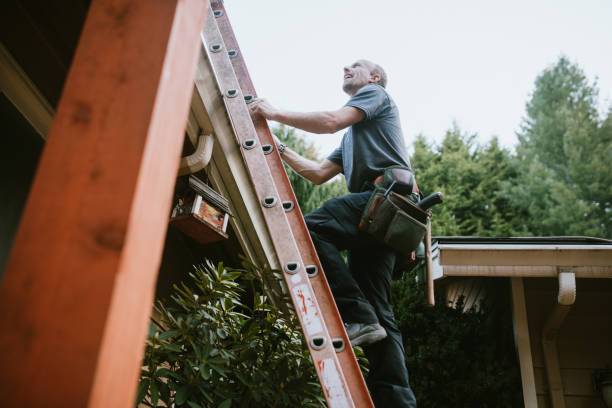
Installing a new roof is a significant investment, and ensuring it is done correctly can greatly affect its durability, functionality, and overall lifespan. Whether you’re a homeowner taking on the project or hiring professionals, understanding the key steps involved in roof installation is essential.
Step 1: Assess Your Roofing Needs
Before starting the process, evaluate the condition of your existing roof. Key questions to ask include:
– Is the current roof leaking?
– Are shingles cracked, curling, or missing?
– How old is your current roofing material?
This assessment will help determine if a full replacement is necessary or if repairs will suffice.
Step 2: Choose the Right Roofing Material
| Material Type | Durability | Cost Range | Ideal Climate Conditions |
| Asphalt Shingles | 15–30 years | Low | Most climates |
| Metal Roofing | 40–70 years | Medium | Rainy or snowy regions |
| Clay Tiles | 50+ years | High | Hot and dry environments |
| Wood Shingles/Shakes | 20–40 years | Medium to High | Mild to moderate climates |
Step 3: Obtain Necessary Permits
Contact your local building authority to determine if you need permits for your roofing project. Failure to comply with local regulations can result in fines or complications during resale.
Step 4: Remove Old Roofing Materials
Safely remove old shingles or tiles to inspect the underlying roof deck. This step helps identify hidden issues such as rot, mold, or structural damage that need repair before proceeding.
Step 5: Conduct Repairs to Roof Decking
Examine the decking for weakened areas and replace any damaged sections with new plywood. A solid foundation ensures long-lasting performance for your new roof.
Step 6: Install Underlayment and Ice/Water Shield
Lay down an underlayment (such as felt paper) across the entire deck surface. For areas prone to ice dams or heavy rainfall, install an additional ice and water shield along valleys and eaves for extra protection against moisture damage.
Step 7: Install Starter Shingles Along the Eaves
Starter shingles create a secure base for subsequent layers of shingles. They reduce water infiltration by sealing gaps at edges where shingles meet.
Key benefits of using starter shingles include: – Improved waterproofing at vulnerable areas. – Protection against wind uplift.
Step 8: Lay Shingles in Proper Alignment
Install rows of shingles beginning from the bottom edge toward the peak while maintaining proper alignment. Overlapping each layer protects against leaks by allowing water to run off easily into gutters.
Pro Tip: Use chalk lines as guides for consistent spacing between rows during installation.
Step 9: Add Flashing Around Penetrations
Install metal flashing around chimneys, vents, skylights, and other penetrations in your roof system. Flashing prevents water from seeping through these critical areas by creating a tight seal with surrounding materials.
Step 10: Finalize with Ridge Caps & Inspections
Place ridge caps along peaks after all field shingles are installed. Ridge caps not only enhance durability but also provide ventilation when paired with ridge vents. Finally, inspect every aspect of your work—or hire an experienced roofer—to ensure proper sealing and flashing installation before completing cleanup.
By following these steps with precision and care, you can ensure that your new roof provides optimal protection and aesthetic appeal for many years ahead.
Finding a Reliable Minneapolis Roofer to Protect Your Home with a Durable Roof
A roof is more than just a structural component of a home—it serves as the first line of defense against the elements. Investing in a durable roof is essential to ensure your home remains safe, energy-efficient, and protected from potential damage. Below, we’ll explore why prioritizing a durable roof matters and how it contributes to overall household safety and comfort.
Top Benefits of Choosing Minneapolis MN Roof Replacement
- Weather Resistance: A durable roof can withstand harsh weather conditions, including heavy rain, snow, strong winds, and hail.
- Energy Efficiency: Modern roofing materials often include energy-efficient features that help maintain indoor temperature and reduce heating or cooling costs.
- Longevity: Quality materials combined with professional installation ensure that your roof lasts longer, minimizing the need for frequent repairs or replacements.
- Curb Appeal: A sturdy and aesthetically pleasing roof enhances the overall look of your property.
- Increased Home Value: A well-maintained roof adds to your home’s resale value by assuring potential buyers that it’s in excellent condition.
Avoid Costly Damage with Minneapolis MN Roof Repair
| Issue | Potential Impact |
| Leaks | Water intrusion can cause damage to walls, ceilings, and insulation. |
| Mold Growth | Persistent moisture can lead to mold formation, posing health risks. |
| Structural Damage | Prolonged exposure to water or heavy snow may weaken structural integrity. |
| Premature Repairs | Low-quality materials often result in frequent repair needs. |
Key Factors for a Durable Minneapolis MN Roof Installation
- Material Selection
Choose from robust materials such as asphalt shingles, metal roofing, slate tiles, or clay tiles based on your climate and budget. - Professional Installation
Hiring experienced roofing contractors ensures proper installation techniques are followed. - Ventilation Systems
Adequate attic ventilation prevents moisture buildup that could compromise the structure. - Regular Maintenance
Routine inspections help identify issues early before they escalate into costly problems. - Proper Drainage Systems
Installing gutters and downspouts ensures water is directed away from the foundation.
Tips for Maintaining Your Roof’s Durability
- Inspect your roof annually or after major storms.
- Clear debris like leaves and branches that may accumulate on the surface.
- Check flashing around chimneys or vents for signs of wear or damage.
- Trim overhanging tree branches to avoid unnecessary strain on your roofing system.
- Ensure gutters are free from clogs to facilitate proper drainage.
By understanding how vital a durable roof is to protecting your home and following best practices for maintenance, you can save money in the long run while ensuring peace of mind for you and your family.
Comprehensive Guide to Choosing Trusted Roofing Professionals for Your Next Project
Selecting the right roofing professional for your project is a critical step in ensuring the quality, durability, and longevity of your roof. With so many options available, it can be overwhelming to decide which contractor is best suited for your needs. This guide provides key considerations and actionable steps to help you make an informed decision when choosing a trusted roofing professional.
1. Research Local Roofing Contractors
- Online directories: Websites like Google My Business, Yelp, or Angi.
- Word of mouth: Recommendations from friends, family, or neighbors.
- Local trade associations: Check if the contractor is a member of reputable organizations like the National Roofing Contractors Association (NRCA).
A local contractor is more likely to understand regional building codes and weather-related challenges.
2. Verify Licenses and Certifications
Ensure that prospective contractors are licensed to operate in your state or region. Licensing requirements vary by location but typically confirm that the roofer meets minimum industry standards. Trusted professionals may also carry certifications from manufacturers like GAF or CertainTeed, indicating specialized training.
3. Assess Insurance Coverage
| Type of Insurance | Why It Matters |
| General Liability | Protects your property from accidental damage during work. |
| Workers’ Compensation | Covers injuries sustained by workers while on-site at your home. |
Without sufficient insurance coverage, you could be held liable for damages or accidents.
4. Review Experience and Expertise
Roofing projects vary in complexity depending on materials used (e.g., asphalt shingles vs metal roofs) and structural considerations. Look for contractors who specialize in the type of roof you need installed or repaired.
Ask questions such as: – How long have they been in business? – Do they handle residential or commercial projects? – Can they provide examples of similar completed jobs?
5. Evaluate Warranties Offered
Reputable roofing professionals provide warranties that cover both materials and workmanship: – Manufacturer’s warranty: Covers defects in roofing materials. – Workmanship warranty: Addresses installation-related issues.
Understanding these warranties ensures peace of mind over potential future problems.
6. Request References
Ask for references from past clients who had similar projects done recently. Contact these references to inquire about their experience with timelines, communication, professionalism, and overall satisfaction with the work completed.
Sample Questions to Ask References: 1. Was the project completed within budget? 2. Did they clean up thoroughly after finishing? 3. Were there any unexpected costs?
7. Get Multiple Quotes
Avoid settling on the first quote you receive—request estimates from at least three different contractors to compare pricing without sacrificing quality.
When reviewing quotes: – Ensure all labor, materials, permits, and cleanup costs are included. – Avoid unusually low bids that may indicate subpar workmanship or hidden fees.
| Contractor Name | Estimate Cost | Warranty Coverage | Estimated Timeline |
| Contractor A | $12,000 | 20 years (materials), 5 years (labor) | 2 weeks |
| Contractor B | $10,500 | 15 years (materials), 3 years (labor) | 3 weeks |
8. Check Online Reviews and Ratings
Browse platforms such as Google Reviews or Better Business Bureau (BBB) profiles for insights into previous customer experiences with specific contractors: – Look out for consistent positive feedback about punctuality and craftsmanship. – Be cautious if reviews mention recurring complaints regarding shoddy workmanship or delayed timelines.
9. Confirm Timeline Expectations
Set clear expectations about start dates and project duration before signing contracts: 1. When will work commence after accepting their quote? 2. How long will each phase take (e.g., tear-off vs installation)? 3. Are there potential weather-related delays factored into scheduling?
Open communication reduces misunderstandings later on.
10: Ensure Detailed Written Contracts
Before any work begins onsite ensure full documentation signed contract outlines important specifics e.g., timeline clearly spells warranty terms limits ensuring protects both parties disputes arise unexpectedly!

Preventing Winter Damage to Commercial Roofs: Tips for Business Owners
Winter can be particularly harsh on commercial roofing systems, causing damage that leads to costly repairs or even premature replacement. Taking proactive steps to protect your commercial roof can save you time, money, and stress during and after the colder months. Below are key tips that business owners should consider to minimize winter-related damage.
Inspect Your Roof Before Winter Arrives
- Roof Membrane: Check for cracks, blisters, or tears in the membrane.
- Flashings: Ensure all flashings are properly sealed and secure around vents, chimneys, skylights, and HVAC units.
- Gutters and Drains: Clear any debris from gutters and ensure proper drainage to prevent ice damming.
- Fasteners: Inspect for loose or corroded fasteners holding the roofing system in place.
Regular inspections by a professional roofer will help catch issues early before they escalate due to harsh winter conditions.
Address Snow Accumulation Early
- Snow Removal Plan: Hire a certified roofing contractor equipped with the right tools and training for safe snow removal. Avoid DIY methods that may harm the roof membrane.
- Load Capacity Awareness: Understand your roof’s load capacity to determine when snow removal becomes critical. A professional engineer can provide this assessment if needed.
| Snow Load Guidelines | Impact |
| Less than 20 lbs per sq ft | Generally safe |
| 20–30 lbs per sq ft | Monitor closely; removal may be needed |
| Over 30 lbs per sq ft | Immediate action required |
Prevent Ice Dams on Sloped Roofs
Ice dams form when heat escapes from the building’s interior through the roof, causing snow to melt and refreeze at eaves or gutters. This can result in water backing up under shingles or other materials.
Tips for Ice Dam Prevention:
- Upgrade Insulation: Ensure proper attic insulation reduces heat loss.
- Improve Ventilation: Install ridge vents or soffit vents for consistent airflow across the roof.
- Heated Cables: Use electric heating cables along problem areas to prevent freezing.
Perform Regular Maintenance Throughout Winter
- Inspect after heavy snowfalls or ice storms for new damage.
- Clear debris promptly from rooftop drains.
- Monitor interior ceilings for leaks or water stains as an early warning sign of potential issues.
- Ensure HVAC equipment installed on rooftops is functioning correctly without causing excess vibration or drainage problems.
Partner with a Trusted Roofing Professional
Benefits include:
– Regular inspections scheduled seasonally. – Immediate response times following weather-related emergencies. – Detailed reports identifying vulnerabilities before significant failures occur.
Selecting experienced professionals ensures that your investment remains protected year-round while minimizing risks of downtime caused by unforeseen roofing issues during peak seasons of operation.
By adopting these preventative measures tailored specifically for winter challenges faced by commercial roofs, business owners can extend their lifespan while avoiding costly repairs in harsh climatic conditions.
Step-by-Step Guide to Preparing and Installing Roof Decks for Long-Lasting Performance
Proper preparation and installation of roof decks are crucial for ensuring the longevity, durability, and performance of your roofing system. Whether you’re a professional roofer or a homeowner taking on the challenge, understanding the right techniques and materials is essential. Below is a step-by-step guide to help you prepare and install roof decks effectively.
1. Assess the Structure
Before installing a new roof deck, inspect the existing structure for any signs of damage or weakness. Look for: – Rotting wood – Warped trusses – Termite damage – Structural instability
Make any necessary repairs or replacements to create a solid foundation for the roof deck.
2. Choose Quality Materials
The type of material you select will significantly impact the performance of your roof deck. Common materials include: – Plywood: Most commonly used, durable, and cost-effective. – OSB (Oriented Strand Board): Lightweight and widely available. – Tongue-and-Groove Boards: Often used in more traditional builds with higher aesthetic values.
Ensure that all materials meet local building codes and are compatible with the roofing system you plan to install.
| Material Type | Durability | Cost | Best For |
| Plywood | High | Moderate | Most roofing applications |
| OSB | Moderate | Low | Budget-friendly projects |
| Tongue-and-Groove | High | Expensive | Visible ceilings |
3. Measure and Cut Materials
Take accurate measurements of your roof’s dimensions before cutting any decking material. Use these tips: – Double-check all measurements to avoid waste. – Use power tools like circular saws for clean cuts. – Pre-drill holes if necessary to prevent splitting during installation.
4. Secure Decking Panels
Lay each panel across the roof trusses or rafters, maintaining proper spacing between boards for thermal expansion (usually an eighth-inch gap). Secure panels using galvanized nails or screws at intervals recommended by local codes.
Best practices when securing panels: – Begin installation from one corner. – Stagger joints between rows to increase strength. – Avoid over-driving fasteners as it can weaken the material.
5. Install Underlayment
After securing all decking panels, add an underlayment layer to protect against moisture infiltration. Options include: – Felt paper (15 or 30 lb.) – Synthetic underlayment for enhanced durability
This layer acts as an essential barrier between your decking material and shingles while offering added insulation benefits.
6. Address Ventilation Needs
Proper attic ventilation ensures that heat and moisture do not become trapped beneath the roofing system: – Install ridge vents or soffit vents where needed. – Check local codes regarding ventilation requirements for long-term efficiency.
Common Mistakes To Avoid During Installation
- Using Inferior Materials: Cheap materials might save money upfront but can lead to costly repairs later.
- Improper Fastening: Over-tightening screws can damage decking boards; under-tightening can cause instability.
- Neglecting Underlayment: Skipping this step exposes your deck to water damage over time.
By following these steps meticulously, you will create a stable base that supports your roofing system’s long-lasting performance while minimizing future maintenance needs.
How Starter Shingles and Flashing Play a Vital Role in Roof Installation
When it comes to roofing, every component plays an essential role in ensuring a durable, weather-resistant structure. Among these crucial elements, starter shingles and flashing are integral to the longevity and functionality of any roof. Understanding their purpose, benefits, and proper installation can help homeowners and roofing professionals achieve better results while protecting the integrity of the structure.
What Are Starter Shingles?
Starter shingles are the first layer of shingles installed along the edge of a roof. They serve as the foundation for subsequent layers by providing additional support and sealing protection at key areas prone to water infiltration.
Key Benefits of Starter Shingles: – Waterproofing: Prevents water infiltration at vulnerable areas like eaves and rakes. – Wind Resistance: Creates a secure starting edge that resists wind uplift. – Improved Adhesion: Contains adhesive strips that bond with subsequent shingle layers. – Cost Efficiency: Reduces waste by eliminating the need to cut standard shingles for edges.
Proper Installation of Starter Shingles
- Clean the roof deck thoroughly, ensuring no debris or moisture is present.
- Apply underlayment as an added protective barrier beneath all shingles.
- Measure and mark guidelines along the eaves and rakes for precise alignment.
- Install starter shingles along these lines with adhesive strips facing upward toward the edge.
- Allow for slight overhangs at edges to direct water away from fascia boards and siding.
- Secure each piece using corrosion-resistant nails spaced evenly across the shingle.
What Is Roofing Flashing?
Flashing refers to thin, impervious material (often made from aluminum or galvanized steel) placed at joints or intersections on a roof to prevent water penetration. Common types of flashing include step flashing, drip edge flashing, valley flashing, and chimney flashing.
Where Flashing Is Used: – Around chimneys – At valleys where two slopes meet – Along dormer windows – Around vents or skylights – At roof edges (drip edges)
Importance of Flashing in Roof Installation
- Prevents Water Damage: Flashing acts as a barrier in areas most vulnerable to leaks. Without proper flashing, water can seep into seams or joints, leading to mold growth or structural decay.
- Enhances Durability: By channeling water away from critical points on your roof, flashing helps extend its lifespan while reducing long-term maintenance costs.
- Protects Structural Integrity: Properly installed flashing prevents moisture buildup that could compromise insulation or weaken wooden components within your home’s structure.
Tips for Installing Flashing Correctly
- Aluminum is lightweight but can corrode in salty climates.
- Copper is durable but costlier than other options.
- Overlap each piece by 2–3 inches (5–8 cm) horizontally.
- This ensures complete waterproofing around nails or screws used during installation.
| Component | Key Function | Material Options | Placement Areas |
| Starter Shingles | Provides waterproof foundation & wind seal | Asphalt-based | Eaves & rake edges |
| Flashing | Directs water away; prevents leaks | Aluminum, steel, copper | Chimneys, valleys & transitions |
Properly incorporating starter shingles and adequate flashing into your roofing project ensures enhanced durability while safeguarding against severe weather conditions year-round. Prioritizing quality materials combined with professional installation techniques will yield lasting protection for any home or building structure.

How a Minneapolis MN Roofing Contractor Can Enhance Your Roof’s Longevity and Performance
Hip and ridge caps are often overlooked components in a roofing system, yet they play a significant role in protecting your roof while also improving its overall performance. These elements are designed to cover the seams where two roof slopes meet, such as at ridges and hips. Without properly installed hip and ridge caps, your roof is left vulnerable to water penetration, wind damage, and energy inefficiency. Below is an overview of their importance and how they contribute to the overall durability of your roof.
What Are Hip and Ridge Caps?
Hip caps cover the angled intersections (hips) where two downward-sloping sections of a roof meet, while ridge caps seal the horizontal line where two upward-sloping sections converge (the ridge). Typically made from asphalt shingles or other durable materials like metal or clay tiles, these elements provide both functional benefits and aesthetic enhancements.
Benefits of Properly Installed Hip and Ridge Caps
- Prevents water infiltration at vulnerable seams along ridges and hips.
- Shields the roof from wind uplift during storms or high winds.
- Helps resist damage caused by snow accumulation on sloped roofs.
- Improved Ventilation
Many modern ridge cap systems are designed to incorporate ventilation features. These allow hot air from your attic to escape while preventing moisture buildup that can lead to mold or structural decay. - Provides a finished look that complements the rest of your roofing system.
- Can be customized with various textures, colors, or materials for a seamless design.
- Prolonged Roof Longevity
By sealing critical intersections, hip and ridge caps reduce wear-and-tear on adjacent roofing materials over time.
Types of Hip and Ridge Caps
| Type | Material Options | Key Features | Best For |
| Asphalt Shingles | Fiberglass-reinforced | Affordable, widely available | Residential applications |
| Metal Caps | Aluminum or steel | Superior durability; corrosion resistant | Modern designs |
| Clay Tile Caps | Terracotta | Aesthetic appeal; long-lasting | Mediterranean-style roofs |
| Composite Materials | Synthetic blends | Lightweight; eco-friendly options | Versatile for various styles |
Installation Tips for Optimal Performance
Proper installation ensures that hip and ridge caps perform efficiently over time: – Ensure Compatibility: Use hip/ridge caps that match the material of your main roofing system. – Secure Fastening: Install with appropriate nails or adhesives designed for roofing applications. – Account for Ventilation Needs: Use vented ridge caps if improved airflow is necessary. – Overlap Correctly: Overlapping each piece appropriately prevents leaks at joints. – Professional Assistance: Always consult or hire experienced roofing contractors to avoid improper installation issues.
Final Thoughts on Maintenance
Regular inspections are critical when it comes to preserving hip and ridge cap performance:
– Check annually for any signs of cracks, loose materials, or wear due to weather exposure. – Remove debris such as leaves that may collect along ridges. – Replace damaged sections promptly to prevent further deterioration.
By investing in high-quality hip and ridge caps alongside proper installation practices, you can significantly extend the lifespan of your roof while maintaining its structural integrity over time.
The Role of Hip and Ridge Caps in Enhancing Your Roof’s Longevity and Performance
Hip and ridge caps are crucial components of any roofing system. They not only improve the aesthetic appeal of your roof but also provide essential protection against water intrusion, wind uplift, and other environmental factors. Let’s explore the significance of hip and ridge caps, their benefits, material options, and installation tips to maximize your roof’s lifespan.
What Are Hip and Ridge Caps?
Hip caps are installed along the edges where two sloping roof sections meet (the “hip” of a roof), while ridge caps are placed at the peak of a roof where two slopes converge (the “ridge”). These specialized shingles or roofing materials are designed to cover vulnerable joints on the roof. Without them, these areas can become weak points for water leaks or wind damage.
Benefits of Hip and Ridge Caps
- Protection: They seal joints to prevent water infiltration, which helps avoid interior damage like mold or mildew growth.
- Durability: Properly installed caps can withstand strong winds by ensuring that shingles stay secure at critical junctions.
- Aesthetic Appeal: Hip and ridge caps give roofs a polished look by creating clean lines along high-profile areas.
- Energy Efficiency: Some modern hip and ridge caps come with ventilation properties that help regulate attic temperature, reducing energy costs.
Types of Materials for Hip and Ridge Caps
| Material Type | Features & Benefits | Ideal Roofing Types |
| Asphalt Shingles | Affordable, commonly available, easy to match colors. | Standard residential roofs |
| Metal | Durable, lightweight, weather-resistant | Metal roofs or modern designs |
| Wood | Natural aesthetic appeal | Cedar shake or rustic-style roofs |
| Composite Material | Lightweight yet durable; mimics natural materials | Versatile for various designs |
Key Considerations When Choosing Hip and Ridge Caps
- Material Compatibility: Ensure that your chosen cap material matches your existing roofing system in both appearance and performance.
- Local Climate: Opt for weather-resistant materials if you live in an area prone to harsh conditions like heavy rain or snow.
- Ventilation Needs: Consider vented ridge caps if improved attic ventilation is necessary to maintain energy efficiency.
- Professional Installation: Improperly installed hip and ridge caps can lead to premature failure. Hiring experienced roofing professionals ensures long-lasting results.
Installation Tips for Longevity
- Begin by laying down an underlayment over the ridges or hips for added waterproofing protection.
- Use nails specifically designed for roofing applications to secure each cap shingle firmly in place.
- Overlap each piece slightly to create a seamless barrier against moisture.
- For vented ridge caps, verify that ventilation gaps align properly with attic vents to allow airflow.
- Seal exposed nails with roofing adhesive or caulk for additional durability.
Maintenance Tips
- Inspect these areas twice annually (spring/fall) for signs of wear such as cracks or loose shingles.
- Clear debris like leaves or branches from ridges as buildup can lead to moisture retention.
- If damage is detected during inspection—such as missing sections—schedule prompt repairs with a professional roofer.
Investing time into choosing high-quality materials while ensuring thoughtful installation will extend your roof’s lifespan significantly. A well-maintained set of hip and ridge caps enhances both structural integrity and overall performance year after year—protecting what matters most beneath it all.
- Key Benefits of Hiring a Minneapolis Roofer for Your Home
- Step-by-Step Guide to Minneapolis MN Roof Replacement and Shingle Installation
- 10 Steps to Successfully Hire a Minneapolis MN Roofing Contractor
- Maximize Benefits by Choosing a Minneapolis MN Roofing Contractor for Your Roof Replacement
- 9 Essential Factors to Consider When Choosing the Right Minneapolis Roofer
- Step-by-Step Guide for Homeowners from a Minneapolis MN Roofing Contractor
- Key Signs You Need a Minneapolis MN Roof Replacement and When to Take Action
- Step-by-Step Guide to Choosing a Minneapolis MN Roofing Contractor for Your Home
- Tips for Minneapolis MN Roof Repair and Inspecting Storm Damage from the Ground