
1. Verify Licensing and Insurance
- Licensing: Ensure the contractor holds valid state or local licenses as required by law. This demonstrates their compliance with industry standards.
- Insurance: Confirm they have adequate liability insurance and worker’s compensation coverage. This protects you from financial responsibility in case of accidents or damages during the project.
2. Reputation and Reviews
A contractor’s reputation speaks volumes about their reliability and skill: – Check online reviews on platforms like Google, Yelp, or Better Business Bureau (BBB).
– Ask for references from previous clients to understand their experience working with the contractor.
3. Local Experience
Hiring a local roofing contractor has multiple advantages: – They are familiar with local building codes, weather conditions, and materials suited for the area.
– Local businesses tend to be more accessible for follow-ups or warranty claims.
4. Written Estimates
Request detailed written estimates from potential contractors: – Include costs for materials, labor, permits, and other additional expenses. – A clear estimate prevents misunderstandings and ensures transparency throughout the project.
5. Warranties Offered
There are two types of warranties to evaluate:
1. Manufacturer’s Warranty: Covers defects in roofing materials. 2. Workmanship Warranty: Protects against installation errors by the contractor.
Choose a contractor who offers robust warranties for peace of mind.
6. Experience and Specialization
Evaluate how long they’ve been in business and whether they specialize in specific types of roofs (e.g., asphalt shingles, metal roofing). Experienced contractors often deliver higher-quality results due to years of expertise.
| Type of Roof | Example Materials | Specialized Contractor Required? |
| Asphalt Shingles | Fiberglass shingles | Often generalized |
| Metal Roofing | Aluminum or steel panels | Yes |
| Tile Roofing | Clay or concrete tiles | Yes |
7. Communication Skills
Effective communication is key during any home improvement project: – Ensure they respond promptly to inquiries. – A reliable contractor will keep you updated at every stage—before, during, and after completion.
8. Project Timeline
Discuss timelines upfront: – Understand how long your project will take. – Be cautious of contractors who promise unusually short deadlines; this may indicate rushed work that sacrifices quality.
9. Payment Terms
Clarify payment schedules in advance: – Avoid contractors who demand full payment upfront. – Typically, payments are divided into installments—a down payment followed by progress payments as milestones are achieved.
By thoroughly considering these nine factors when selecting a roofing contractor, you’ll not only safeguard your investment but also ensure your roof is built or repaired with care and expertise tailored to your needs.
The Ultimate Guide to Choosing a Minneapolis MN Roofing Contractor for a Durable Roof
Roof restoration is a critical process that enhances the lifespan, functionality, and appearance of your roof. Whether you’re dealing with aging materials, damage from weather conditions, or just general wear and tear, undertaking a roof restoration project can save you from costly replacements. Below is a comprehensive guide to help you navigate this endeavor effectively.
Top Benefits of Hiring a Minneapolis MN Roofing Contractor for Roof Restoration
- Extends Roof Life: Proper restoration can add 10-15 years to the life of your roof.
- Energy Efficiency: Reflective coatings or advanced materials used in restorations can improve energy efficiency by regulating indoor temperatures.
- Cost Savings: Compared to full roof replacement, restoration is often significantly less expensive while achieving similar results.
- Enhanced Property Value: A well-maintained roof boosts curb appeal and increases overall property value.
- Environmental Impact: Restoration reduces waste by minimizing the need for complete roofing material disposal.
Essential Steps for Minneapolis MN Roof Replacement
- Identify issues such as leaks, cracks, or sagging areas using professional inspection techniques.
- Assess whether the damage requires minor repairs or more extensive interventions.
- Clear debris, dirt, moss, and algae buildup through high-pressure washing or eco-friendly cleaning solutions.
- This step ensures a clean surface for efficient application of coatings or sealants.
- Fix structural flaws such as broken tiles, loose shingles, or rusted metal sheets.
- Address leaks by sealing gaps around chimneys, vents, and flashings.
- Use UV-resistant paint or waterproof sealants to protect against harsh weather conditions.
- Opt for specialized coatings like elastomeric membranes to prevent future deterioration.
- Conduct a final review to ensure all repairs and restorations meet industry standards.
- Evaluate workmanship quality before signing off on the project.
Materials Commonly Used in Minneapolis MN Roof Repair
| Material Type | Features | Recommended For |
| Elastomeric Coatings | High flexibility; waterproofing properties | Flat roofs; commercial buildings |
| Acrylic Paints | UV resistance; aesthetic appeal | Residential properties |
| Metal Sheeting Repairs | Rust-resistant; durable | Industrial structures |
| Bitumen-Based Products | Strong weatherproofing ability | Harsh climates |
Essential Signs You Need Minneapolis MN Roof Installation
- Frequent leaks during rainfall.
- Cracked or curling shingles.
- Accumulation of mold or moss growth.
- Noticeable dips or sagging areas on flat roofs.
- Rusted metal components such as flashing or gutters.
Proactively addressing these signs can prevent further damage and reduce repair costs over time.
Expert Tips for Long-Term Maintenance Post-Restoration
- Schedule annual inspections with certified roofing professionals.
- Clean gutters regularly to avoid water pooling near critical areas.
- Trim surrounding trees to prevent debris accumulation.
- Apply touch-up sealants every few years if needed based on climate exposure.
By following these steps and working with experienced professionals who use quality materials, you’ll not only extend your roof’s longevity but also safeguard your home from future complications associated with neglecting its condition.
The Ultimate Guide to Roof Restoration: Expert Tips and Insights for a Durable Roof
Roof restoration is an essential aspect of maintaining the structural integrity and longevity of your home. Over time, exposure to weather conditions and natural wear can compromise the roof’s strength, leading to costly repairs if not addressed promptly. Restoring your roof not only enhances its durability but also improves the overall appearance and value of your property. Below, we explore expert tips and insights for achieving a durable roof through proper restoration techniques.
Understand When Roof Restoration Is Necessary
- Leaks or Water Damage: Stains on ceilings or walls often signal water penetration through the roof.
- Broken or Missing Shingles/Tiles: Damaged roofing materials leave your home vulnerable to leaks.
- Sagging Areas: Structural weaknesses caused by moisture buildup or aging can lead to sagging.
- Moss, Mold, or Algae Growth: These elements not only affect aesthetics but also reduce a roof’s lifespan.
- Increased Energy Bills: A poorly insulated or damaged roof often struggles with temperature regulation.
Identifying these signs early can save you significant expenses down the road.
Steps Involved in Roof Restoration
- Conduct a thorough inspection of the roof to identify problem areas. Hire a professional roofer if you’re unsure how to assess damage effectively.
- Remove dirt, moss, algae, and debris using high-pressure cleaning equipment. This process preps the surface for further work.
- Fix cracks, replace broken tiles/shingles, seal leaks, and address any structural issues found during inspection.
- Apply weather-resistant coatings or paint designed specifically for roofs. This helps protect against UV rays and harsh weather conditions while improving aesthetics.
- After completing the restoration process, ensure all aspects have been addressed properly by performing another inspection.
Benefits of Roof Restoration
- Enhanced Durability: Proper restoration ensures your roof withstands environmental stressors.
- Cost Savings: Addressing minor issues early reduces the likelihood of costly replacements later.
- Improved Energy Efficiency: Sealing leaks prevents air loss, helping maintain indoor temperatures more effectively.
- Boosted Property Value: A well-maintained roof improves curb appeal and increases resale potential.
- Environmentally Friendly Option: Restoring rather than replacing minimizes waste sent to landfills.
Common Mistakes During Roof Restoration
| Mistake | Consequence |
| DIY Restoration | Lack of expertise can worsen damage |
| Using Low-Quality Materials | Reduces durability of repairs |
| Ignoring Inspections | Overlooks hidden structural issues |
| Postponing Maintenance | Leads to heightened repair costs |
Work with qualified roofing professionals who use high-quality materials for optimal results.
Tips for Maintaining Your Restored Roof
- Conduct regular inspections every six months or after severe weather events.
- Keep gutters clean to prevent water pooling on your rooftop.
- Trim nearby trees that may drop branches onto your structure.
- Address minor damages immediately before they escalate into larger problems.
Proper care after restoration extends its lifespan significantly while saving money over time.
Restoration is an investment in both protection and aesthetics for homeowners looking to extend their roof’s life responsibly. By following these expert recommendations and partnering with trusted professionals, you’ll ensure that your home remains secure under a robust roofing system year after year.
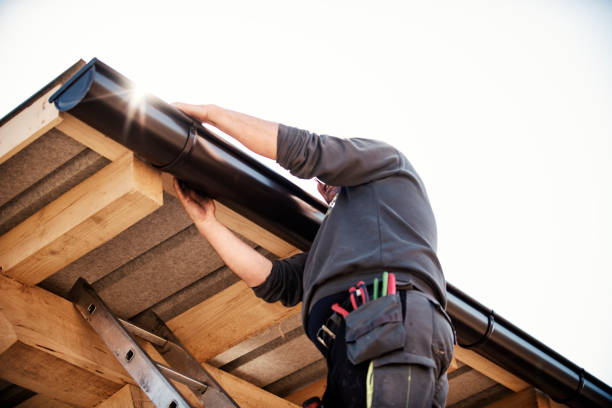
Colorbond Roofing and Its Growing Popularity in Modern Architecture
Colorbond roofing has gained significant attention in modern architecture due to its durability, versatility, and aesthetic appeal. This type of roofing isn’t just a practical solution for protecting homes from the elements—it also offers a sleek and contemporary design that aligns with today’s architectural trends. Below, we explore why Colorbond roofing continues to grow in popularity.
Advantages of Colorbond Roofing
- Made from high-quality steel, Colorbond roofs are built to withstand harsh weather conditions such as heavy rain, strong winds, and intense sun exposure.
- The material is resistant to rust, corrosion, and fading over time.
- Many Colorbond roofing products come with advanced thermal insulation properties that help regulate indoor temperatures.
- The reflective coating reduces heat absorption, lowering energy consumption for air conditioning during warmer months.
- Unlike traditional roofing materials like tiles or shingles that may crack or break over time, Colorbond requires minimal upkeep.
- Its surface resists dirt build-up and can be cleaned easily with periodic washing.
- Available in a variety of shades and finishes to suit modern architectural styles—from bold statement colors to neutral tones that blend with natural landscapes.
- Homeowners can customize their roofs to complement their property’s exterior design.
- Made from recyclable steel materials, making it an environmentally conscious choice for sustainable construction projects.
- Its longevity reduces the frequency of replacements, minimizing waste over time.
Applications in Modern Architecture
Colorbond roofs are not limited to residential homes—they are widely used across commercial buildings, schools, warehouses, and even industrial spaces due to their visual appeal and functionality.
- Flat Roof Designs: Perfect for minimalist architectural styles where clean lines and low-profile structures dominate.
- Sloped Roofs: Enhances traditional home designs while incorporating a modern twist.
- Outdoor Spaces: Used for pergolas or patio coverings due to their lightweight nature without compromising strength.
Comparison Table: Colorbond Roofing vs Traditional Roofing Materials
| Feature | Colorbond Roofing | Traditional Materials (e.g., Tiles/Shingles) |
| Durability | Highly durable; long-lasting | Prone to cracking or breaking over time |
| Weather Resistance | Excellent resistance | Moderate resistance; may require repairs |
| Maintenance | Low maintenance | Higher maintenance needs |
| Customization Options | Wide range of colors | Limited selection |
| Environmental Impact | Recyclable; eco-friendly | Often non-recyclable |
Is Colorbond Roofing Right for You?
If you’re looking for a cost-effective yet stylish solution for your roof that aligns with modern design standards while offering long-term value, Colorbond is worth considering. It balances functionality with aesthetics beautifully—making it an increasingly popular choice among architects and homeowners alike.
Make sure you consult with an experienced roofer who specializes in installing Colorbond products to ensure optimal results tailored to your project needs.
How to Evaluate Completed Roofing Projects Before Choosing a Contractor
Choosing the right roofing contractor is crucial for ensuring the longevity, safety, and aesthetic appeal of your roof. One of the most effective ways to make an informed decision is by evaluating completed roofing projects. By examining their past work, you can gauge a contractor’s skill level, professionalism, and attention to detail. Here’s how you can effectively evaluate these projects before selecting a contractor.
Visit Previous Projects in Person
- Quality of Materials: Check whether premium-quality materials have been used.
- Workmanship: Look for any visible signs of poor craftsmanship like uneven shingles or improper alignment.
- Durability Over Time: If possible, examine roofs that are several years old to gauge how well they hold up over time.
Ask for a Portfolio or Gallery of Work
- High-quality images from different angles.
- Before-and-after photos highlighting the transformation.
- Details about project specifications (e.g., materials used and style).
Pay special attention to roofs similar to your own in terms of style and material.
Check Online Reviews and Testimonials
- Google My Business
- Yelp
- Better Business Bureau (BBB)
- HomeAdvisor or Angi
Look for reviews that specifically mention completed project quality, adherence to timelines, and post-project support.
Common Questions to Address When Reading Reviews:
- Did customers mention satisfaction with the final result?
- Were there recurring complaints about issues like leaks or subpar materials?
- How does the contractor handle follow-up services?
A mix of positive feedback and how contractors respond to negative reviews will provide deeper insight into their reliability.
Ask Specific Questions About Completed Jobs
- What challenges did they encounter during particular jobs?
- How do they ensure quality control throughout the process?
- Do they provide warranties on both labor and materials?
Their answers will give you clarity on how seriously they take their work.
Compare Project Pricing vs Quality
It’s important not only to look at visual results but also understand whether a project aligns with your budget expectations without compromising quality.
| Contractor | Material Used | Cost Per Square Foot | Warranty Period |
| Contractor A | Asphalt Shingles | $5 | 15 years |
| Contractor B | Metal Roofing | $8 | 20 years |
| Contractor C | Tile Roofing | $10 | 25 years |
By comparing similar types of projects across contractors, you’ll get an idea if pricing reflects value.
Speak With Past Clients
- Ask about their overall satisfaction.
- Inquire about any lingering issues after project completion.
- Confirm whether timelines were adhered to.
Direct conversations often reveal insights that reviews may not fully capture.
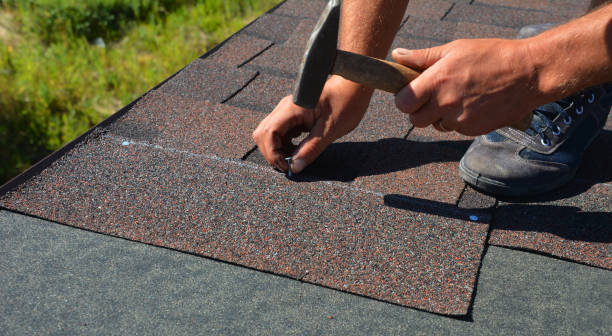
Look for Consistency Across Multiple Projects
Consistency is key when evaluating completed jobs. Does each project adhere to high standards regardless of size? A reliable roofer will display consistent quality across residential and commercial installations alike.
Pay attention to details such as: – Clean lines around edges – Proper flashing installation – Minimal waste left behind after job completion
Such elements indicate professionalism and thoroughness in every job they undertake.
By carefully evaluating these factors while reviewing completed roofing projects, you’ll be better prepared to select a contractor who meets your needs effectively and delivers lasting results tailored to your property’s requirements.
How to Evaluate Completed Roofing Projects Before Choosing a Contractor
Hiring the right roofing contractor involves careful research and evaluation. One of the most effective ways to assess a contractor’s skill level and quality of work is by evaluating their previous projects. By taking a closer look at completed roofing jobs, you can determine whether a contractor meets your standards and expectations. This guide explains key steps to help you evaluate completed roofing projects effectively.
1. Inspect the Quality of Materials Used
The durability and longevity of a roof largely depend on the materials utilized in its construction or repair. Ask the contractor about the specific brands and types of materials they used for past projects. When reviewing their completed jobs, check for:
– Shingle Patterns: Are shingles aligned correctly without visible gaps?
– Metal Flashing: Is flashing secure around chimneys, vents, or skylights?
– Sealants: Are sealants evenly applied to prevent water intrusion?
Quality materials not only improve aesthetics but also ensure the roof will withstand harsh weather conditions.
2. Look for Attention to Detail
A professional roofing job is characterized by precision and attention to detail. When reviewing completed projects:
– Examine edges and seams – Are they cleanly finished?
– Check for proper installation of gutters – Do they align correctly with downspouts?
– Verify uniformity in color and texture – Does everything look cohesive and polished?
Attention to these details reflects a contractor’s commitment to delivering top-quality craftsmanship.
3. Assess Overall Aesthetic Appeal
The visual aspect of a roof contributes significantly to curb appeal, especially if you’re considering selling your property in the future. Evaluate whether:
– The roof complements the architectural style of the building.
– There are any noticeable mismatches in color or material between different sections.
A visually appealing roof indicates that care was taken throughout installation.
4. Speak with Past Clients or Read Reviews
| Questions for Past Clients | What You’ll Learn |
| Was the project completed on time? | Timeliness & reliability |
| Were there any unexpected costs? | Transparency in pricing |
| Have there been any issues since completion? | Long-term satisfaction/quality |
| Would you hire this contractor again? | Client loyalty levels |
Online reviews can also provide insights into recurring themes, such as consistent punctuality or unresolved complaints.
5. Visit Projects Completed Recently vs Years Ago
Reviewing both recent work as well as older projects allows you to gauge consistency over time:
– For newer roofs, focus on installation precision and overall appearance. – For older roofs (5+ years), assess how well they’ve aged under various weather conditions—any signs of deterioration may indicate subpar workmanship or inadequate materials.
This dual approach ensures you get a full understanding of long-term performance outcomes.
6. Verify Compliance with Building Codes & Standards
Roofing contractors must adhere to local building codes and safety regulations when completing their projects. During evaluations, confirm that:
– Roof slope requirements have been met (especially for water drainage).
– Ventilation systems comply with code requirements for airflow efficiency. – Additional installations like solar panels follow relevant guidelines.
Non-compliance could lead to costly fines or repairs down the line.
By systematically evaluating these factors across multiple completed projects, you’ll gain a clearer picture of a roofing contractor’s expertise and reliability before making your decision.
- Key Benefits of Hiring a Minneapolis Roofer for Your Home
- Step-by-Step Guide to Minneapolis MN Roof Replacement and Shingle Installation
- 10 Steps to Successfully Hire a Minneapolis MN Roofing Contractor
- Maximize Benefits by Choosing a Minneapolis MN Roofing Contractor for Your Roof Replacement
- 9 Essential Factors to Consider When Choosing the Right Minneapolis Roofer
- Step-by-Step Guide for Homeowners from a Minneapolis MN Roofing Contractor
- Key Signs You Need a Minneapolis MN Roof Replacement and When to Take Action
- Step-by-Step Guide to Choosing a Minneapolis MN Roofing Contractor for Your Home
- Tips for Minneapolis MN Roof Repair and Inspecting Storm Damage from the Ground