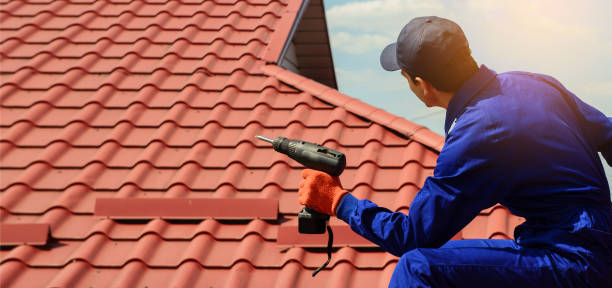
Replacing your roof is a significant investment, and timing plays an essential role in maximizing both the efficiency and cost-effectiveness of the project. Choosing the right time of year can help ensure optimal working conditions for contractors, better material performance, and potential savings on costs. Below, we explore seasonal considerations to help you decide when to schedule your roof replacement.
Spring: A Balanced Option
Spring can be an ideal time for roof replacement due to moderate weather conditions.
– Mild Temperatures
– Contractor Availability: Contractors may have more availability compared to the busier summer or fall months.
– Avoiding Peak Storm Seasons: Addressing roof issues in spring prepares your home for potential heavy rains or storms later in the year.
However, spring weather can also be unpredictable with sudden rain showers; it’s crucial to monitor forecasts closely before planning a project.
Summer: Popular but Challenging
Summer is one of the most common seasons for roof replacements due to clear skies and consistent warm temperatures.
– Predictable Weather: Minimal risk of rain interruptions ensures a smoother workflow for contractors.
– Longer Daylight Hours: Extended daylight allows projects to progress faster, reducing labor costs and completion time.
Fall: The Ideal Season for Roof Replacement
For many homeowners, fall stands out as the best season for replacing a roof.
– Optimal Temperatures: Cool but not freezing temperatures ensure that adhesives and materials set properly without delays.
– Stable Weather Conditions: Fall typically provides dry days with minimal precipitation risks.Preparing Ahead of Winter: Replacing your roof before harsh winter snow prevents further damage from leaks or ice dams.
Fall schedules often fill up quickly due to high demand in most regions—booking early is essential if this season appeals to you.
Winter: An Off-Peak Choice with Considerations
While winter may seem less suitable for roofing projects due to cold temperatures and snow, there are circumstances where it could work well: – Lower Costs & Discounts: Contractors may offer reduced rates during their off-season.Faster Scheduling Availability: Since fewer homeowners opt for winter work, you’re more likely to book at your preferred timeslot.
– Snow or ice-covered roofs make installation hazardous and slower for crews.
Factors Beyond Seasons
While seasonal considerations are important, additional factors can influence when you should replace your roof: 1.Roof Condition:2.Budget Considerations:Off-season projects (like winter) might save money on labor costs. 3.Material Choice:Certain materials perform better under specific temperature ranges; consult your contractor about recommendations based on local climate conditions.
| Season | Pros | Cons |
| Spring | Mild temps, contractor availability | Potential rain delays |
| Summer | Predictable weather | Heat affecting materials |
| Fall | Optimal temps & stable weather | High demand limits availability |
| Winter | Cost savings | Adhesion challenges & safety risks |
By carefully weighing these seasonal pros and cons against your unique circumstances—such as budget constraints or urgency—you’ll be better equipped to choose the perfect time of year for replacing your roof efficiently while ensuring long-term quality performance.
Top Reasons to Hire a Minneapolis Roofer for Your Roof Replacement
A roof is one of the most critical components of your home, offering protection from the elements and adding to its overall structural integrity. Over time, however, roofs wear out and may require replacement. Understanding when and why you should replace your roof is crucial for maintaining your home’s safety, energy efficiency, and value.
Essential Signs You Need a Minneapolis MN Roof Replacement
- Sagging Roofline: A sagging appearance could suggest structural issues that may necessitate immediate replacement.
- Moss or Algae Growth: While common in humid climates, excessive moss can trap moisture and cause long-term damage if not addressed.
Top Benefits of Minneapolis MN Roof Repair and Replacement
Choosing to replace an aging or damaged roof provides several advantages that go beyond basic functionality.
Enhanced Energy Efficiency
New roofing materials are often more energy-efficient than older ones. For example: – Metal roofs with reflective coatings can reduce cooling costs during summer months.
Improved Home Value
Replacing an outdated roof enhances curb appeal and increases property value—a significant advantage if you plan to sell in the near future.
| Roofing Type | Average Lifespan | Added Resale Value (%) |
| Asphalt Shingles | 20–25 years | 60–65% |
| Metal Roofing | 40–70 years | 85% |
| Wood Shingles/Shakes | 30 years | 50–55% |
Better Protection Against Weather Events
A new roof ensures better resistance against severe weather conditions such as windstorms, hail, snow accumulation, or heavy rains. Modern materials are engineered to withstand harsh environments more effectively.
Opportunities for Upgrades
Roof replacement offers an opportunity to upgrade features such as: – Adding proper ventilation systems. – Opting for impact-resistant roofing materials that perform well in extreme conditions. – Installing solar panels for renewable energy solutions.
Timely Minneapolis MN Roof Installation to Avoid Costly Repairs
Delaying a necessary roof replacement often leads to more extensive—and expensive—damage down the road. For instance: 1. Persistent leaks can cause rot in structural components like rafters. 2. Mold growth due to trapped moisture can pose health risks while requiring costly remediation services. 3. Higher utility bills may result from poor insulation caused by worn-out roofing materials.
Taking proactive steps ensures these issues do not escalate further.
Investing in a new roof when it’s needed is essential for maintaining both the safety and efficiency of your home over time. By recognizing key signs of wear and understanding its broader benefits, you’ll make informed decisions that save money while ensuring long-term peace of mind.
How a Minneapolis MN Roofing Contractor Can Help You Save on Home Insurance Costs
Replacing your roof can be a significant investment, but it may also lead to substantial savings on your home insurance costs. Insurance companies assess risks associated with your home, and an updated roof can reduce these risks, resulting in more favorable premiums. Below is an exploration of how replacing your roof can positively impact your insurance costs.
How Roof Replacement Affects Insurance Rates
- Improved Safety and Durability
A new roof made from high-quality materials minimizes the likelihood of leaks, structural damage, or collapse during extreme weather events. Insurers often see this as reduced risk and may reward homeowners with lower premiums. - Compliance with Building Codes
Modern roofs are designed to meet current building standards, including wind and fire resistance requirements. Upgrading to a roof that complies with these codes makes your home safer and more insurable at a lower cost. - Use of Impact-Resistant Materials
- Energy Efficiency
Some insurers provide incentives for homeowners who install energy-efficient roofs, such as those with reflective coatings or solar panels. These features not only save on energy bills but may also qualify you for special green-home insurance discounts.

Types of Roofing Materials That Could Lower Insurance Costs
Insurance providers often evaluate the type of roofing material when calculating premiums.
| Roofing Material | Durability Rating | Fire Resistance | Potential Premium Reduction |
| Asphalt Shingles | Moderate | Low/Moderate | Minimal |
| Metal Roofing | High | High | Significant |
| Tile Roofing (Clay/Concrete) | High | High | Moderate |
| Slate Roofing | Very High | Very High | Significant |
Questions to Ask Your Insurance Provider Before Replacing Your Roof
To maximize potential savings, consult with your insurance provider before undertaking a roofing project.
- Are there specific roofing materials that qualify for premium discounts?
- Does my current policy offer benefits for replacing my roof?
- Will I need additional certifications or inspections for insurance savings?
Additional Considerations
When planning a roof replacement to benefit from reduced insurance costs:
– Ensure the contractor is licensed and insured, which protects you against liability during installation. – Keep records of installation documents, warranties, and receipts; these might be needed when applying for discounts. – Check if your region offers tax credits or rebates for certain energy-efficient or disaster-resilient roofing choices.
By strategically investing in a new roof that meets modern standards and aligns with insurer preferences, you can enjoy both long-term protection for your home and noticeable reductions in your yearly insurance premiums.
Understanding How Your Roof Impacts Your Home Insurance Rates
Your roof plays a critical role in determining the cost and coverage of your home insurance policy. Insurance providers evaluate multiple factors when calculating premiums, with the condition, material, and age of your roof being significant considerations. A well-maintained roof not only protects your home but can also positively influence your insurance rates. Below is an in-depth look at how your roof impacts home insurance costs and what you can do to optimize these benefits.
Factors That Influence Insurance Rates
- Older roofs are more prone to wear and tear, increasing the likelihood of damage during storms or heavy weather events.
- Many insurers offer discounts for newer roofs as they are less likely to need repairs or replacements.
- Some policies may limit coverage or require higher deductibles for roofs over 20 years old.
- Roofing Material
Certain roofing materials are more durable and resistant to damage, which can lower risk in the eyes of insurers: - Metal Roofing:Fire-resistant and long-lasting, often qualifying for better rates.
- Asphalt Shingles:Common but with varying durability based on quality.
- Clay Tiles:Extremely durable but may lead to higher premiums due to repair costs.
- Roof Condition
Regular maintenance is essential. - Leaks or water damage.
- Moss or other growth that could indicate neglect.
- Location and Weather Resistance
- Roofs designed to withstand high winds may receive better coverage terms in coastal regions.
Tips to Improve Insurance Rates Through Roofing
- Invest in Routine Maintenance:Schedule regular inspections by a professional roofer to identify any repair needs early.
- Upgrade Materials:g.
- Install Safety Features:Adding features like storm shutters, reinforced fasteners, or secondary water barriers can enhance protection against extreme weather.
- Document Improvements:Keep records of all repairs and upgrades made to your roof as proof for insurance purposes.
Sample Cost Table Based on Roofing Materials
| Roofing Material | Average Lifespan | Insurance Impact | Notes |
| Asphalt Shingles | 15-30 Years | Moderate | Most common; varies by quality |
| Metal Roofing | 40-70 Years | Positive (fire & impact resistance) | Higher upfront cost |
| Clay/Concrete Tiles | 50+ Years | Depends on location (durability vs cost) | Heavy; suited for specific climates |
| Wood Shakes/Shingles | 20-40 Years | Negative (fire risk) | Requires frequent maintenance |
Importance of Communication With Your Insurer
- Notify them immediately after a new installation or major repair.
- Ask about discounts specific to energy-efficient materials or storm-resistant designs.
- Ensure all relevant documentation is submitted promptly.
Understanding how your roof impacts home insurance rates empowers homeowners to make informed decisions about roofing choices while optimizing their policy benefits effectively.
What to Do When Your Roof is Damaged and It’s Raining
Dealing with a damaged roof during rainfall can be stressful and overwhelming. Water intrusion can lead to significant property damage if not addressed promptly. The following steps can help homeowners manage the situation effectively while minimizing potential harm.
Safety should always come first when dealing with roof damage, especially during inclement weather.
– Avoid entering any rooms where water is dripping or pooling near electrical fixtures or outlets.
– Use protective gear such as gloves and boots when handling leaks or debris.
Finding the origin of a leak is critical in addressing roof damage, even if it’s only temporary until professionals arrive:
– Inspect ceilings for water stains to identify where water is entering your home.
– Check your attic for signs of moisture buildup or dripping water using a flashlight.
Until professional repairs can be conducted, temporary fixes can help mitigate further issues:
– Use waterproof tarps or heavy-duty plastic sheeting to cover exposed areas of your roof that are accessible without risk. – Place buckets or containers under leaks inside your home to catch water and protect flooring. – Move furniture, electronics, and valuables away from affected areas to prevent additional losses.
| Temporary Fix Guide | Tools Required | Effectiveness Level |
| Tarp Installation | Heavy-duty tarp, nails/clips, rope | High (short-term solution) |
| Internal Catchment System | Buckets/containers | Moderate |
| Roof Patch Spray | Roofing sealant spray | Low (only in light rain) |
Professional assistance is essential when dealing with structural damage caused by rain:
– Choose a licensed roofing contractor with experience in emergency repairs. They will have the tools and expertise needed for thorough inspections and long-term solutions. – Document all visible damage by taking photos or videos before repair work begins; this will be useful when filing an insurance claim.
– Provide evidence such as photos or videos of both interior and exterior damages. – Review your policy documentation beforehand so you understand what coverage options are available for storm-related roof issues.
Preventative Steps for Future Rainstorms
After addressing immediate concerns following roof damage during rain, consider these preventative measures:
1. Schedule regular inspections with roofing professionals to identify potential weaknesses before they escalate into emergencies. 2. Invest in high-quality materials designed specifically for durability against heavy rain conditions. 3. Clear gutters periodically since blockages contribute significantly toward moisture retention near vulnerable sections.
Taking proactive steps ensures your home stays better protected in adverse weather conditions while avoiding recurring problems associated with inadequate maintenance practices over time.
- Key Benefits of Hiring a Minneapolis Roofer for Your Home
- Step-by-Step Guide to Minneapolis MN Roof Replacement and Shingle Installation
- 10 Steps to Successfully Hire a Minneapolis MN Roofing Contractor
- Maximize Benefits by Choosing a Minneapolis MN Roofing Contractor for Your Roof Replacement
- 9 Essential Factors to Consider When Choosing the Right Minneapolis Roofer
- Step-by-Step Guide for Homeowners from a Minneapolis MN Roofing Contractor
- Key Signs You Need a Minneapolis MN Roof Replacement and When to Take Action
- Step-by-Step Guide to Choosing a Minneapolis MN Roofing Contractor for Your Home
- Tips for Minneapolis MN Roof Repair and Inspecting Storm Damage from the Ground